Slutt på sirkelen: Maroon 5 og slutten på den analoge æraen

Med bandets første turné der Sennheiser Spectera brukes fullt ut, beviser Dave Rupsch at bredbånds trådløse teknologi er fremtiden for lyd på arenaer
Wedemark, Tyskland - 22. januar 2026 — I 25 år har monitoringeniør Dave Rupsch sittet i den lydmessige cockpiten for globale ikoner som My Chemical Romance, Katy Perry, Megadeth, Red Hot Chili Peppers, Nick Jonas og mange flere. Han har sett bransjen gjennomgå en digital revolusjon og sett line arrays og miksere utvikle seg til underverker av presisjon – men en avgjørende lenke har holdt fast ved fortiden. For Rupsch var en feilfri, ende-til-ende digital IEM-overføring hans «hvite hval» og den «absolutt nødvendige komponenten for å lukke sirkelen for moderne konsertlydteknologi». Dette søket føltes som et uoppnåelig mål altfor lenge.
Søket fikk en ende under Maroon 5-turneen i 2025. Rupsch hadde i flere år støttet seg på analoge, trådløse systemer som bransjestandard, men den økende overbelastningen av UHF-spektrumet ble en uunngåelig forstyrrelse. Under turnéstarten i Phoenix, en by som er beryktet for sitt overfylte radiospektrum, «oppdaget teamet at miljøfaktorer som støygulv og begrenset manøvrerbarhet ble unødige stressfaktorer når de utførte en allerede psykologisk krevende jobb», forklarer Rupsch. I sin strev etter en førsteklasses opplevelse for bandet besluttet Rupsch at det var på tide å gå utover begrensningene for tradisjonell RF, og med hjelp fra Clair Global ble Sennheiser Spectera-systemet testet, verdens første bredbåndige, toveis digitale, trådløse økosystem.
Les resten av pressemeldingen på engelsk nedenfor.
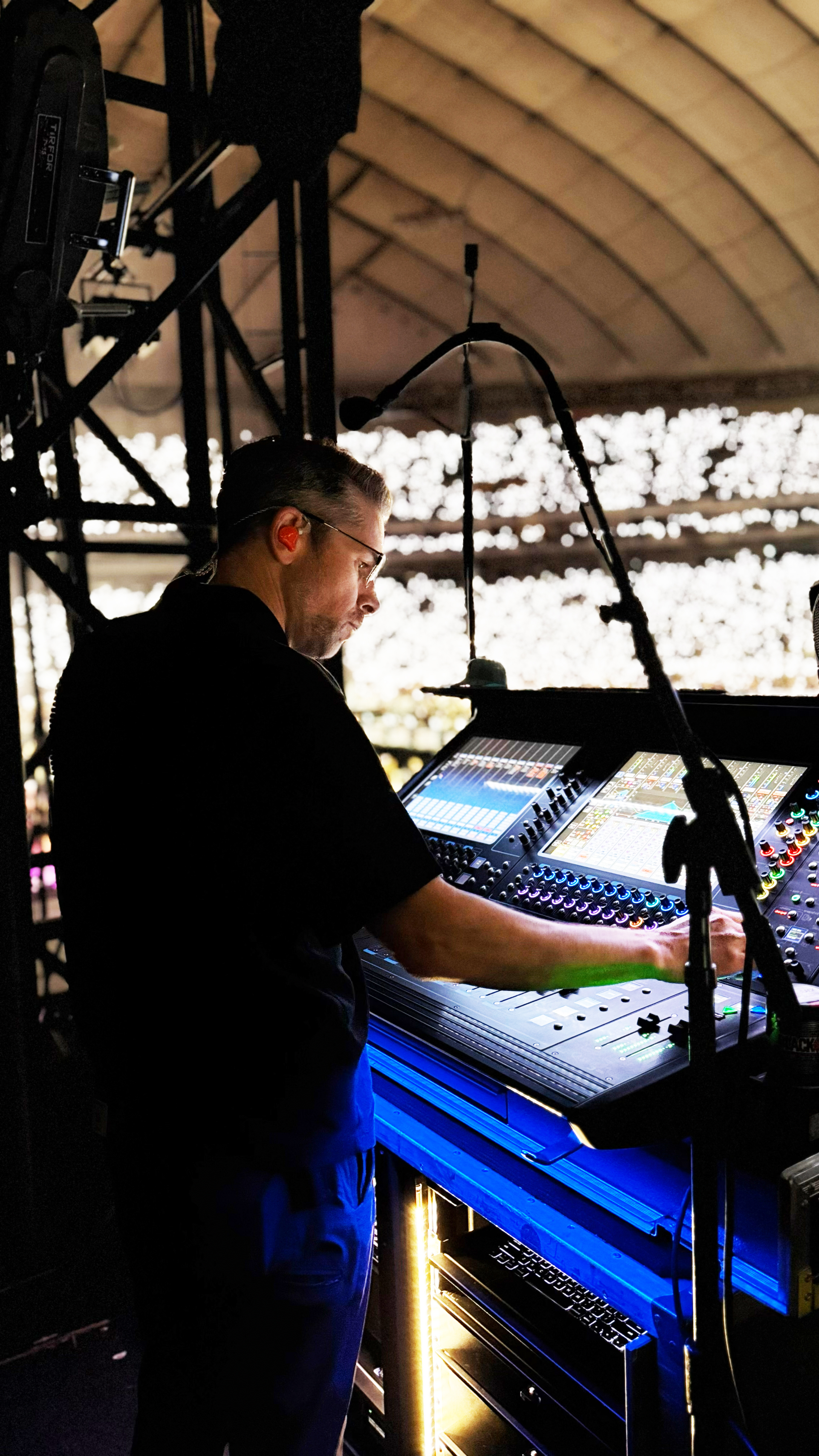
The transition from a trial to a full-scale deployment with the entire band happened much faster than anticipated. Initially, Rupsch planned to ease into the technology, noting that “in the Wild West, the first guy through the saloon door is the one who gets taken out!” He placed only the crew and music director (MD) on Spectera packs, but the results were immediate.
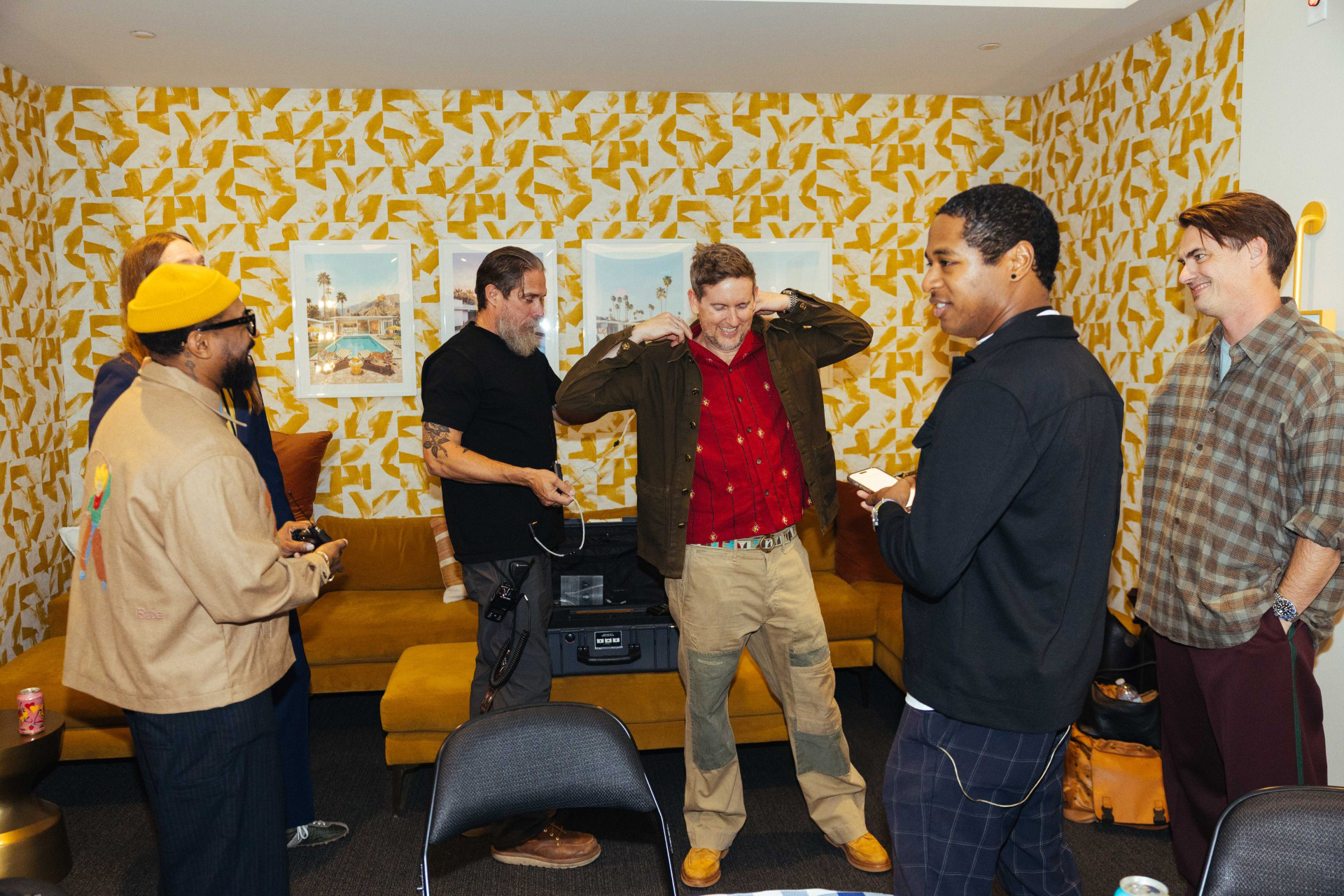
Within five minutes, the MD approached Rupsch to relay that the pack sounded fantastic before walking on stage to show the rest of the band, prompting them to immediately inquire as to why they weren’t yet using it. Rupsch recalled, “Our ‘trial period’ was about five minutes before Spectera ended up being used on every show of the tour.” The shift in audio quality was rooted in the absence of traditional analog artifacts.
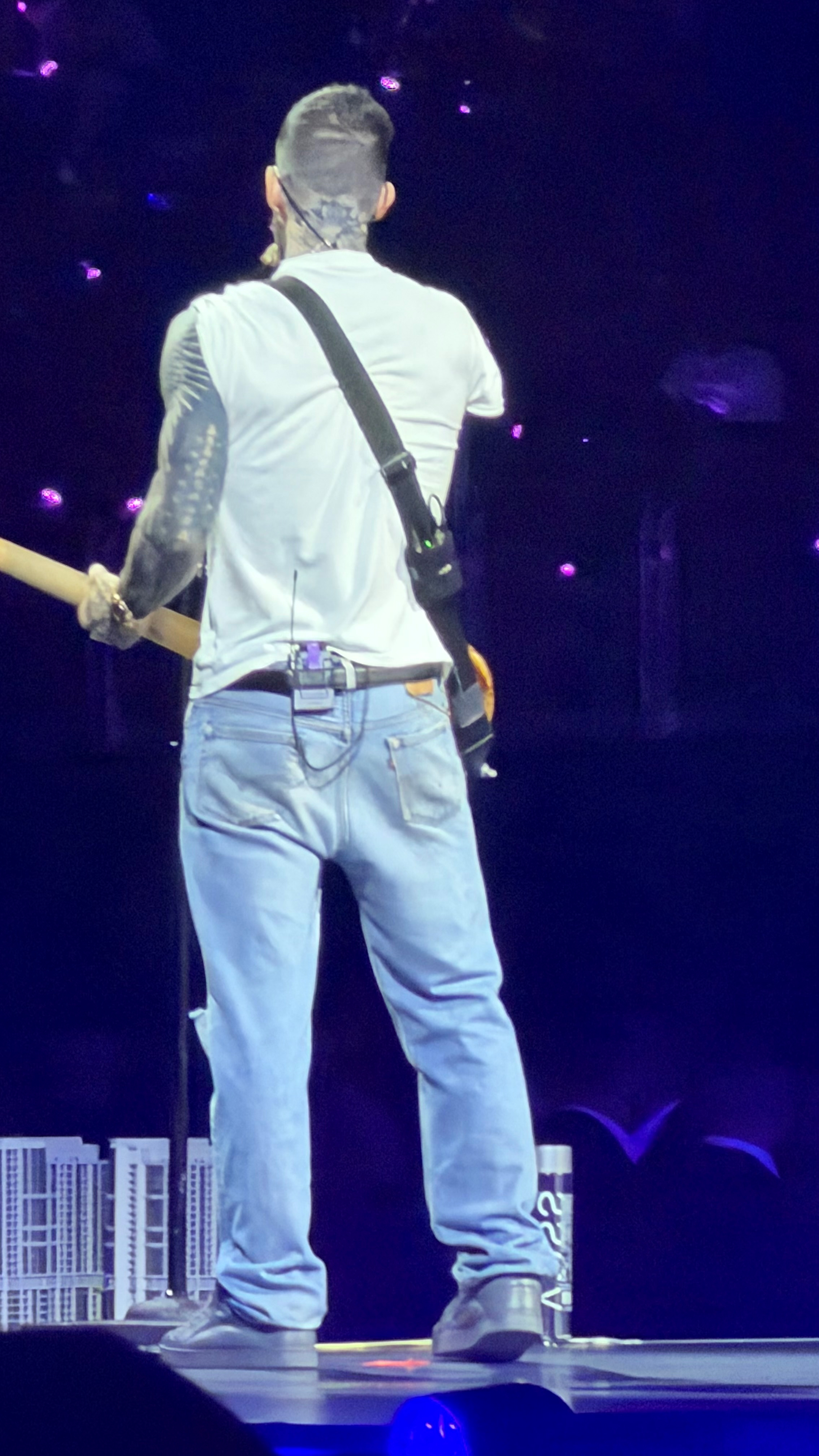
Rupsch noted that, “the absence of any analog RF artifacts like noise floor, swishes, pops, or clicks allowed the performers to lean into the minute details of the mix.” The band’s studio engineer immediately responded to the spacious stereo imaging, while several band members commented that it was the clearest they had ever heard themselves.
Beyond the leap in sonic fidelity, Spectera’s architecture has fundamentally redefined the monitor workflow for Dave Rupsch. A key efficiency is the move from traditional BNC to standard Cat 5 cabling for antenna deployment. “Cat 5 is so much more pliable and easier to coil,” Rupsch noted. “It’s now possible to add these to our cross-stage looms without the signal loss or interference typically associated with long analog runs.” Because these antennas are smaller and lighter than conventional helical models, they can be easily claw-mounted to scaffolding anywhere on site.
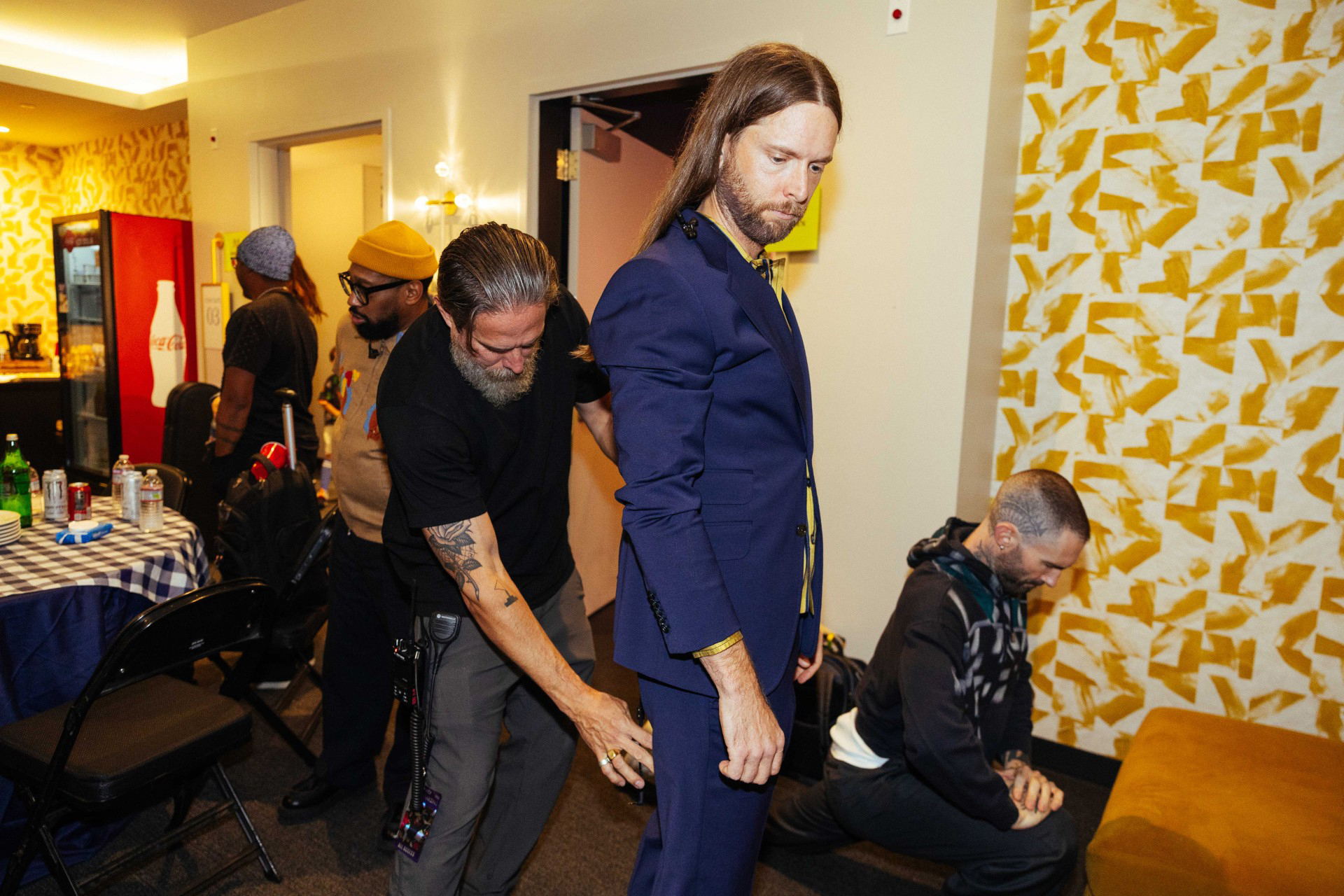
The system’s ability to “bend” around corners and walls is driven by its high-density network of multiple antennas. For the Maroon 5 arena tour, Rupsch utilized a four-antenna setup — placing units at stage right, stage left, the thrust, and backstage. This configuration ensured Adam Levine remained connected even when moving through the crowd, upstage, or into the dressing rooms.
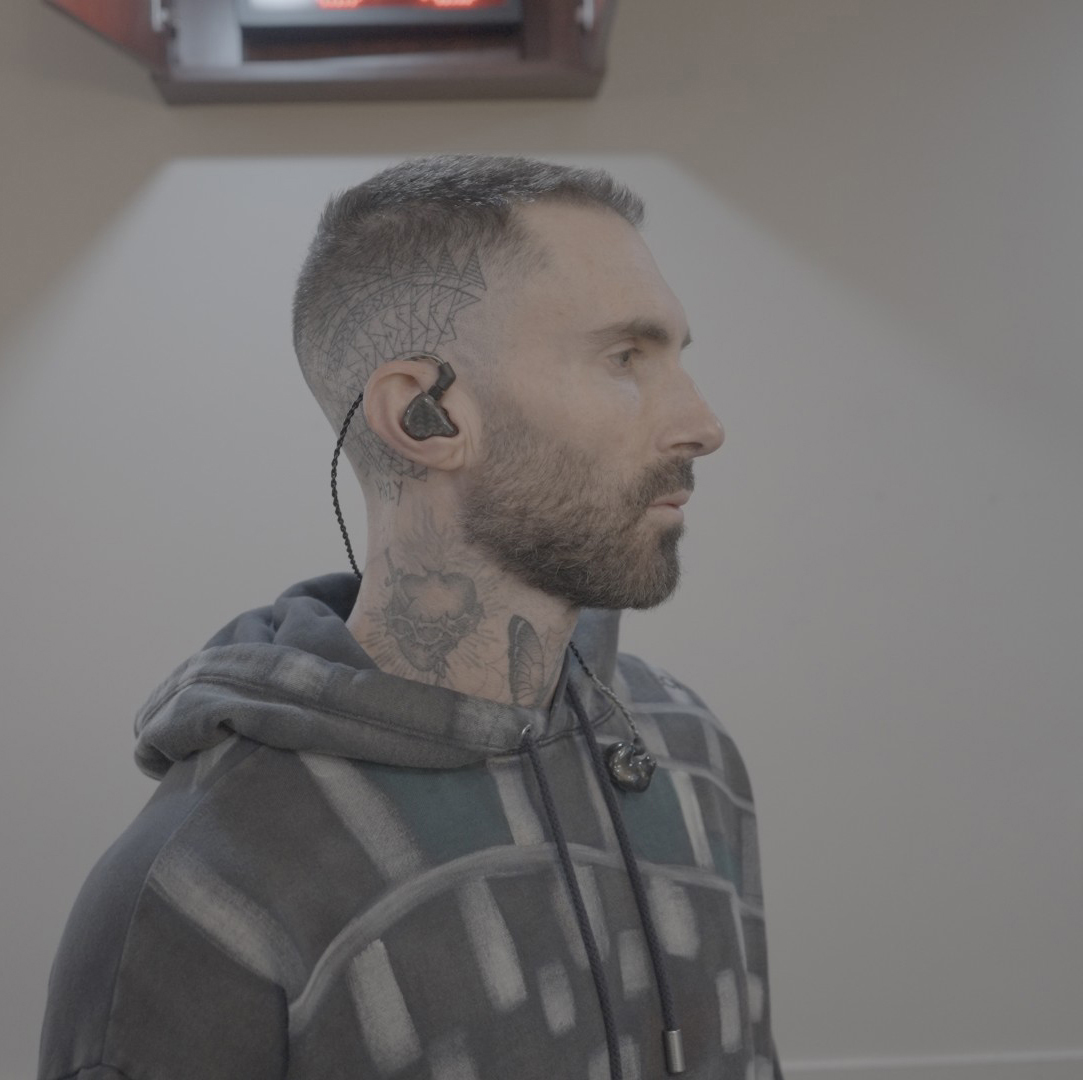
Rupsch recommends a minimum of three antennas for standard arena stages to ensure a stable connection the moment an artist puts on their pack backstage. This multi-point strategy creates a powerful network that maintains signal integrity through physical barriers, providing seamless coverage across the performance area and the arena concourse.
As Rupsch looks toward a massive 2026 stadium tour with My Chemical Romance, Spectera has elevated from a curiosity to a necessity. He plans to carry two Base Stations to handle large-scale environments and performers with headset mics who can “take advantage of Spectera’s dual transmit and receive features.” For Rupsch, this marks the end of a fifteen-year wait for the industry. “We as engineers and RF coordinators have been waiting for these advancements to reveal themselves,” he reflects. By delivering a quality, clean, sonically satisfying digital IEM transmission, the “white whale” has finally been caught, providing the reliability and purity that the modern stage demands.
(Ends)
The images accompanying this media release can be downloaded here. (Cover photo courtesy of Ricky Garcia)
Maroon 5.docx
DOCX - 8.7 Mb
Maroon 5.pdf
PDF - 722 Kb

Maik Robbe
Manager Global PR & Influencer Management, Sennheiser electronic SE & Co. KG


